Project details
Client:
BranchX India Limited
Tool:
Figma
BranchX Internship
Client | BranchX India Limited (Internship) |
My Role | UX/UI Design Intern |
Duration | 3 Months (Dec 2025 - Feb 2025) |
Tools | Figma, FigJam |
Platform | Mobile, Web, Dashboard, POS Device |
Internship certificate | https://drive.google.com/file/d/1e3AspYxs3eU8nQKsl5LdTK7Mz1xCh98N/view?usp=drive_link |
Overview: During my 3-month internship at BranchX India Limited, I worked on a product team designing across four distinct platforms: a mobile app, web platform, data dashboards, and a POS (Point of Sale) device. I designed 100+ screens and gained deep experience designing for complex systems under real product timelines.
What I Worked On
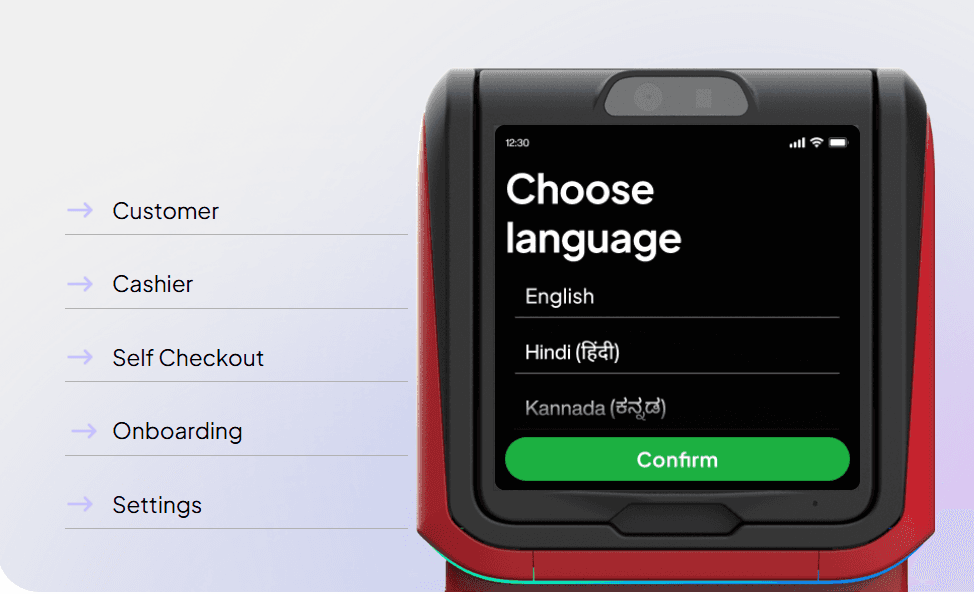
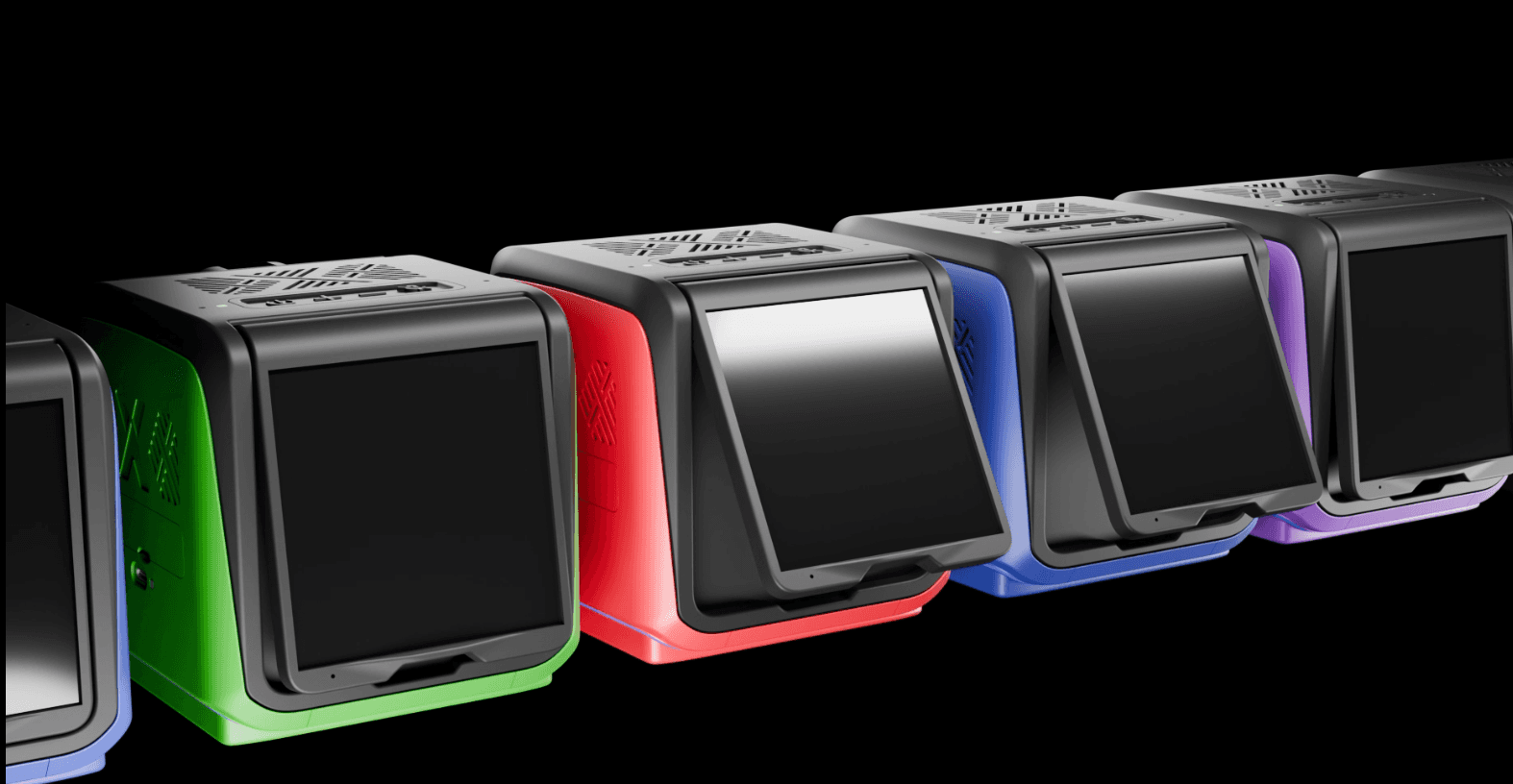
01 — Xenie Cube OS
Platform: Custom Operating System for POS Hardware (1:1 Square Screen)
The Xenie Cube is an AI-powered smart retail POS device with a unique 1:1 square screen ratio. Designing for it meant stepping entirely outside the conventions of mobile and web design.
What I contributed:
Designed default app screens that ship pre-installed on the Cube OS - including the first-time user onboarding and core utility apps built for the square screen format
Designed custom app icons for the new OS, working within strict hardware and brand constraints to ensure readability and visual consistency at small sizes on a square canvas
Contributed to and worked within the existing design system - applying, extending, and stress-testing components across new screens
The constraint that made this hard: The 1:1 square ratio has almost no design precedent. Standard mobile patterns don't apply — layouts, navigation placement, and touch targets all had to be rethought from the ground up for a screen shape that is neither portrait nor landscape.
✅ Key contribution: Built new screens and icons that held up visually within the OS's design language, on a hardware form factor that required first-principles thinking.
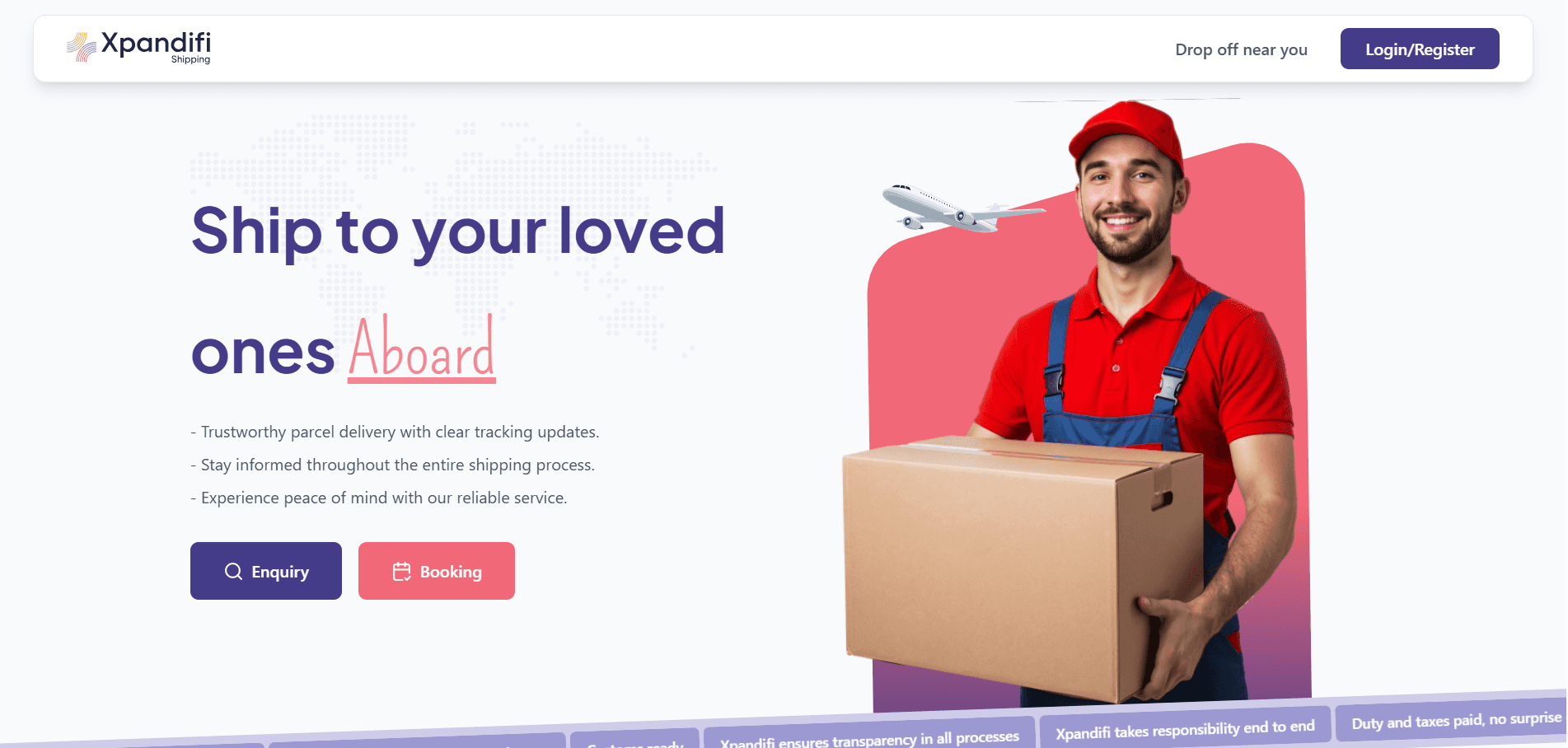
02 — Xpandifi Shipping
Platform: Web · International Courier Service · shipping.xpandifi.com
Xpandifi is an international shipping service that connects customers with courier agents. The platform had two distinct user types - customers sending packages, and agents managing pickups — each with completely different needs.
What I contributed:
Designed the landing page — communicating the service's value proposition and building trust for first-time users considering international shipping
Designed the Customer Platform — the end-to-end flow for a customer to book a shipment, describe their package, choose a drop-off point, and receive a QR code for handoff
Designed the Agent Platform — the operational interface for agents to manage pickups, view package details, and process shipments
Designed the Agent Dashboard — a data view for agents to track their performance, pending packages, and earnings
✅ Key contribution: Delivered three distinct interface layers (customer flow, agent flow, agent dashboard) that felt like a single coherent product.
03 - PayX Capital Services
Platform: Web · Pocket Insurance & Financial Services · payxcapitalservices.com
PayX is a financial services platform offering investment and protection products - mutual funds, bonds, and pocket-sized insurance plans - positioned around the idea of "Crafting Your Financial Future, Together."
What I contributed:
Designed the PayX platform— translating a financial services product into a clean, trustworthy, and approachable web presence
Structured the layout to communicate the product's capabilities without overwhelming users
Applied a visual tone that balanced professional credibility with human warmth - key for a fintech product asking users to trust it with financial decisions
✅ Key contribution: Delivered a credibility-first web design for a financial product, balancing trust-building with accessibility.
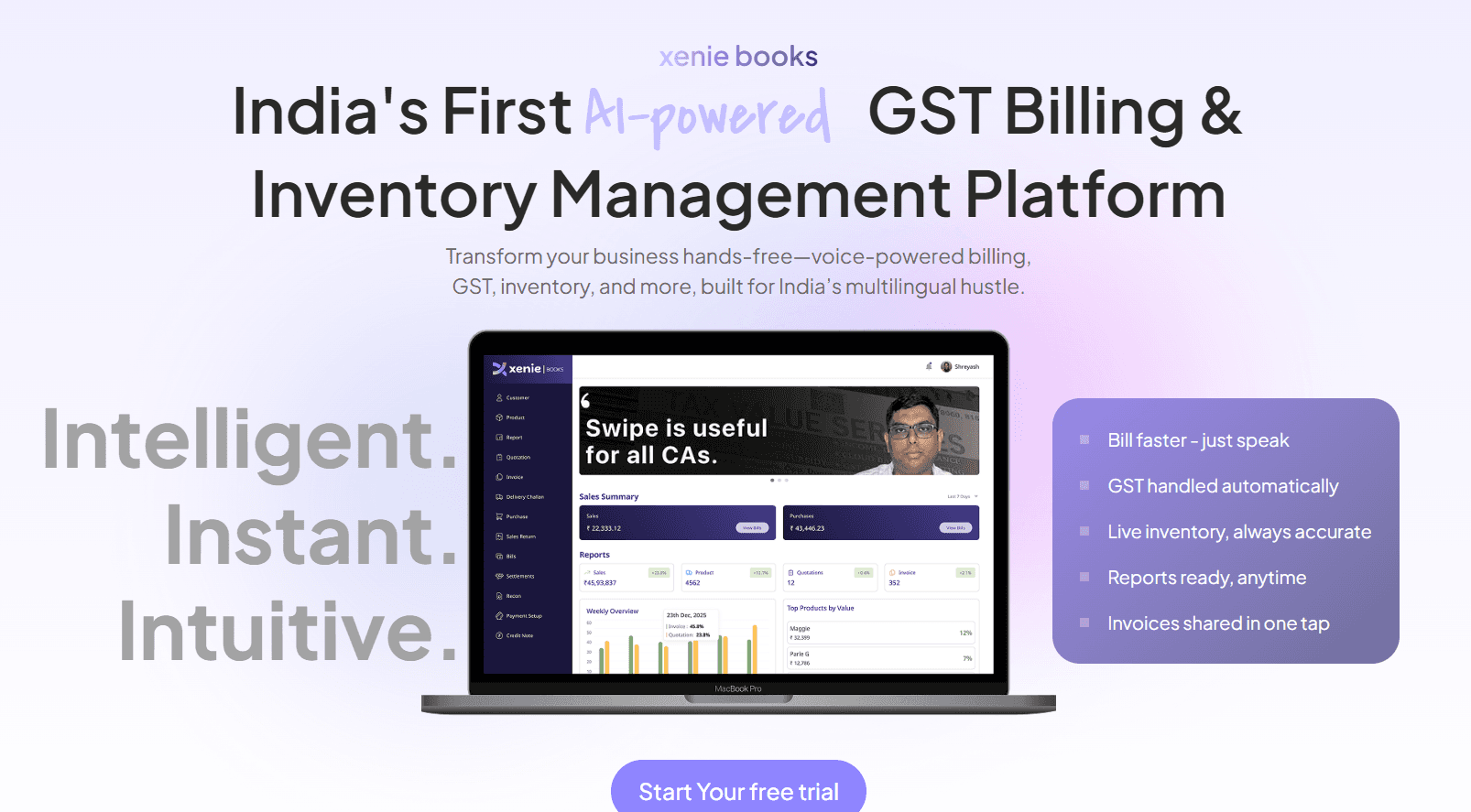
04 — Xenie Books (Next Version)
Platform: Web & Mobile · AI-Powered GST Billing & Inventory ·
Xenie Books is India's first AI-powered, voice-enabled GST billing and inventory platform for SMBs - built for multilingual Indian businesses to manage invoicing, stock, payments, and compliance without technical training.
What I contributed:
Worked on the next version of Xenie Books - carrying forward the existing product into a refreshed, improved design
Delivered mid-fidelity wireframes defining the structural and interaction logic for the updated screens
Moved into high-fidelity design - refining the visual execution and UI detail for key flows
✅ Key contribution: Progressed the next version from wireframe to design, contributing to a product already used by live SMB customers.
05 — Xenie SFA
Platform: Mobile App · Sales Force Automation for Sales Reps
Xenie SFA is a mobile app built for Xenie's field sales representatives — enabling them to manage leads, track customer visits, and report sales activity from the field.
What I contributed:
Worked on polishing and refining the existing design — improving visual consistency, tightening spacing and hierarchy, and elevating the overall UI quality
Applied design system standards across screens to ensure the app felt cohesive and production-ready
✅ Key contribution: Brought design polish and visual consistency to a field-facing tool that reps use daily.
What Working Here Taught Me
01 — Systems thinking over screen thinking
Working across 5 products simultaneously forced me to stop thinking one screen at a time. Every decision I made had to hold up inside a larger product system — with its own design language, user context, and technical constraints.
02 — Constraints are the brief
The Xenie Cube's 1:1 screen ratio had no playbook. Xpandifi's dual-user platform had competing needs. PayX needed to feel trustworthy without feeling cold. Each product gave me a genuine design constraint to solve — not a template to fill.
03 — Feedback is the fastest way to grow
I worked closely with seniors and colleagues who reviewed my work regularly. Their feedback — on hierarchy, spacing, interaction logic, and product fit — compressed months of trial and error into weeks of real progress.
04 — Real products demand real precision
These weren't case study projects. They were live products with users, developers, and business stakeholders. That accountability changed how I designed — every decision had to be justified, not just aesthetically pleasing.